GENERAL INQUIRIES
info@forward.oneMARKETING INQUIRIES
media@forward.oneINVESTOR RELATIONS
ir@forward.one%20-%20DarkBackground_Logo%2BFont_Horizontal.svg)
.png)
Aerial intelligence is constrained by physics, bandwidth, and human cognition.
Today’s drones capture more data than operators can effectively use. Bandwidth limitations force a trade-off between coverage and resolution, while operators continuously switch views to compensate. The result: delayed insights, degraded usability, and AI models trained on compromised data.
In mission-critical environments, that trade-off is unacceptable.
Defense, security, and emergency response require real-time, high-fidelity situational awareness.
Sapient Perception was built to remove that constraint.

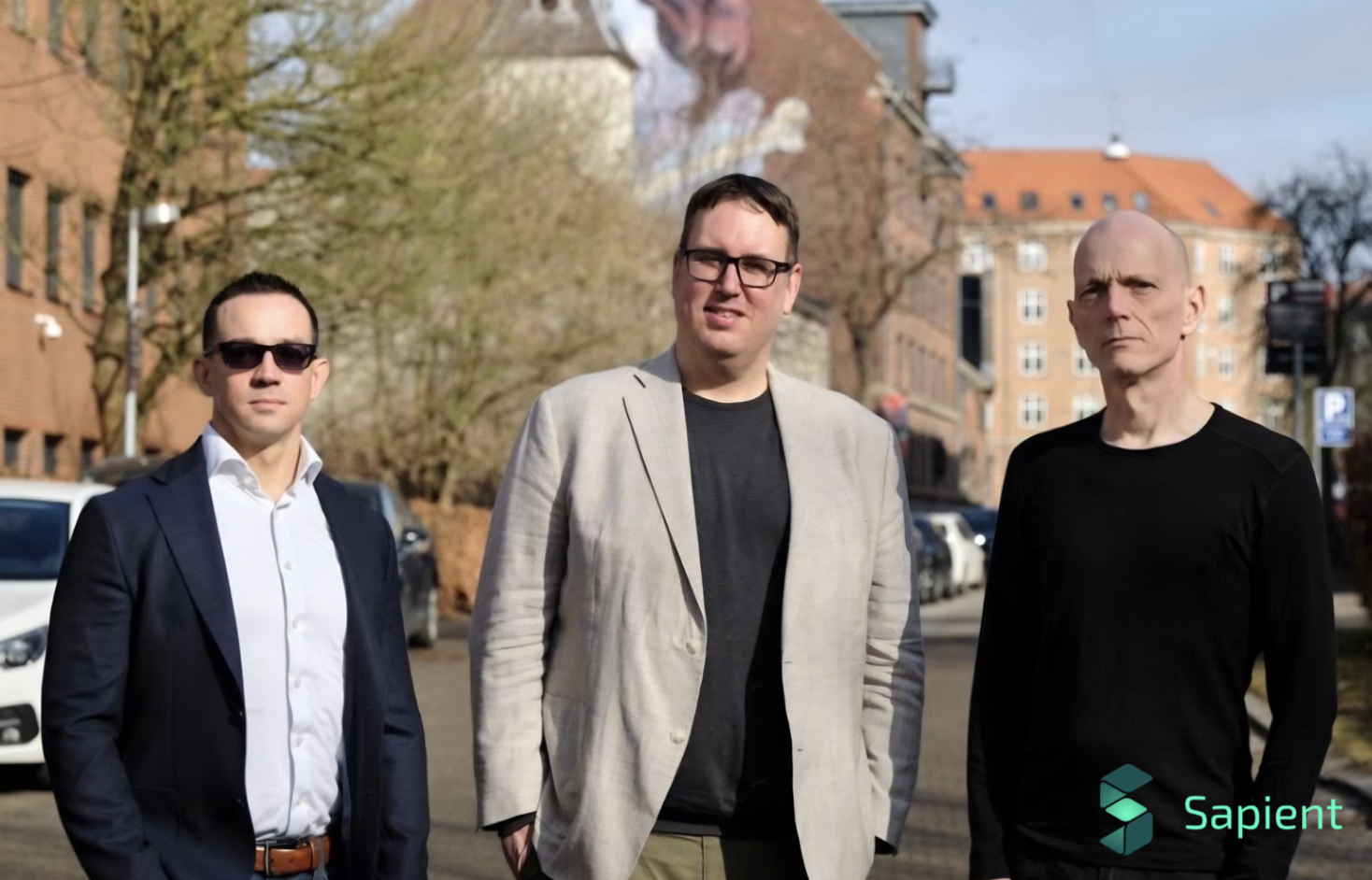
We invested in Sapient Perception because it tackles a fundamental bottleneck in drone-based intelligence: the inability to process high-quality data in real time at the edge.
The team combines deep expertise in sensor architecture, imaging, and AI with a strong understanding of UAV systems and defense markets. They are building software-defined 10K sensor systems and an edge AI framework that enable real-time, onboard decision-making, independent of bandwidth or cloud infrastructure.
This fits our thesis directly. Physical AI deployed in real-world environments, solving a clear performance constraint with hardware-software integration.
At this stage, we support Sapient with capital and hands-on guidance as it moves from prototype to deployable system, sharpens its go-to-market with drone OEMs, and translates technical advantage into commercial traction.



Anthony Garetto
CEO & Co-founder